
Being updated with the story lineup happening today in the digital arena is highly challenging because the stories appear right away on our fingertips lightning fast. With its vast array of channel listing, Internet protocol television, or IPTV subscription grows quickly as a good alternative for traditional cable television, in which news coverage around the globe is generally included in their channel lineup.
But there’s a hidden factor—political bias—with all this decision.
Understanding the Slant: Identifying Bias in News Reporting
A variety of news stations, each with its own editorial stance, are available from IPTV providers. The way some networks cover politics is heavily influenced by their ideological leanings, which manifest in:
Choice of Words
A person’s impression can be influenced by the words they use. Negative connotations are given to opposing viewpoints when terms such as “radical left” or “extreme right” are used.
The Selection of Guests
Programs that feature mainly biased guests reduce the opportunity to hear different perspectives.
Story Framing
One way to shape how an audience understands and reacts to an event is through the use of story framing.
Bias can be shown by even apparently impartial outlets through:
Missing Information
An incomplete image is created when important details are not reported or when competing opinions are not given enough publicity.
Pay Attention to Sensationalism
Irresponsible reporting that fails to provide thorough analysis can divert attention away from important problems.
Why Is Bias Important? The Consequences of Biased Reporting
Several unfavorable outcomes may result from being exposed to biased news:
Limited Understanding
Viewers may get a simplistic view of multi-faceted problems, which makes it harder for them to make well-informed decisions.
Echo Chambers
A filter bubble forms when individuals are only exposed to news stories that support their preexisting opinions; this phenomenon is known as an echo chamber.
Polarization in Politics
Prejudiced reporting can deepen preexisting divisions, making compromise more challenging.
Promoting Media Literacy in the Era of IPTV: Striking a Balance
A critical mindset is necessary for navigating IPTV news. In order to develop your critical eye, consider the following advice:
Provide the Source
Find out who owns the station and what the editorial stance is. Does everyone know if they lean left or right?
Investigate Different Points of View
Make sure you have all the angles by seeing out how several channels covered the same incident.
Fact Checking
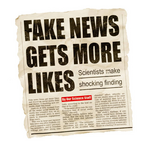 Make sure the information is accurate by checking it with many sources. Use trustworthy news sources and fact-checking websites to confirm information.
Improve Analytical and Logical Thinking Abilities
Try breaking down the story into its component parts and seeing how each one fits together.
More media literacy means that viewers can analyze what they see and hear critically and arrive to their own well-informed conclusions.
Final Thoughts
There is a lot of political slant in the news stations available on IPTV, but there is also a lot of choice. Viewers are generally responsible for remodelling their news consumption routines by knowing the ways on finding different points of view, identifying prejudice, and enhancing their critical thinking.